
• 46,000+ surfaces repaired last year
  • Over 25 years of trade experience
  • Domestic & commercial surface repairs
  • Why Replace When You Can Repair?
  • Office enquiries: Mon–Fri, 9:00am–3:00pm
  • 0800 085 7773

Coatings & colour change

Respraying & Refinishing

Where damage or wear is spread across a whole face rather than confined to one spot, a localised repair is not the right answer. Respraying refinishes the whole element, so a tired door, panel or run of cabinetry can look consistent again without being replaced.

Respraying only works when four things line up: the surface can be properly prepared, the coating will adhere to it, the coating suits how the surface is used, and the colour or sheen can be achieved. We assess all four before recommending respraying, and we will say when a repair or replacement is the better route.

Illustrative technician respraying a prepared surface on site.
Illustrative image of comparable repair work.

Scope

What we repair

  • Suitable internal doors, frames, linings and architraves
  • Kitchen, bedroom and office cabinetry and door fronts
  • Suitable internal and external panels and column casings
  • Reception desks, counters and fitted joinery
  • uPVC and metal frames where the finish is suitable for coating
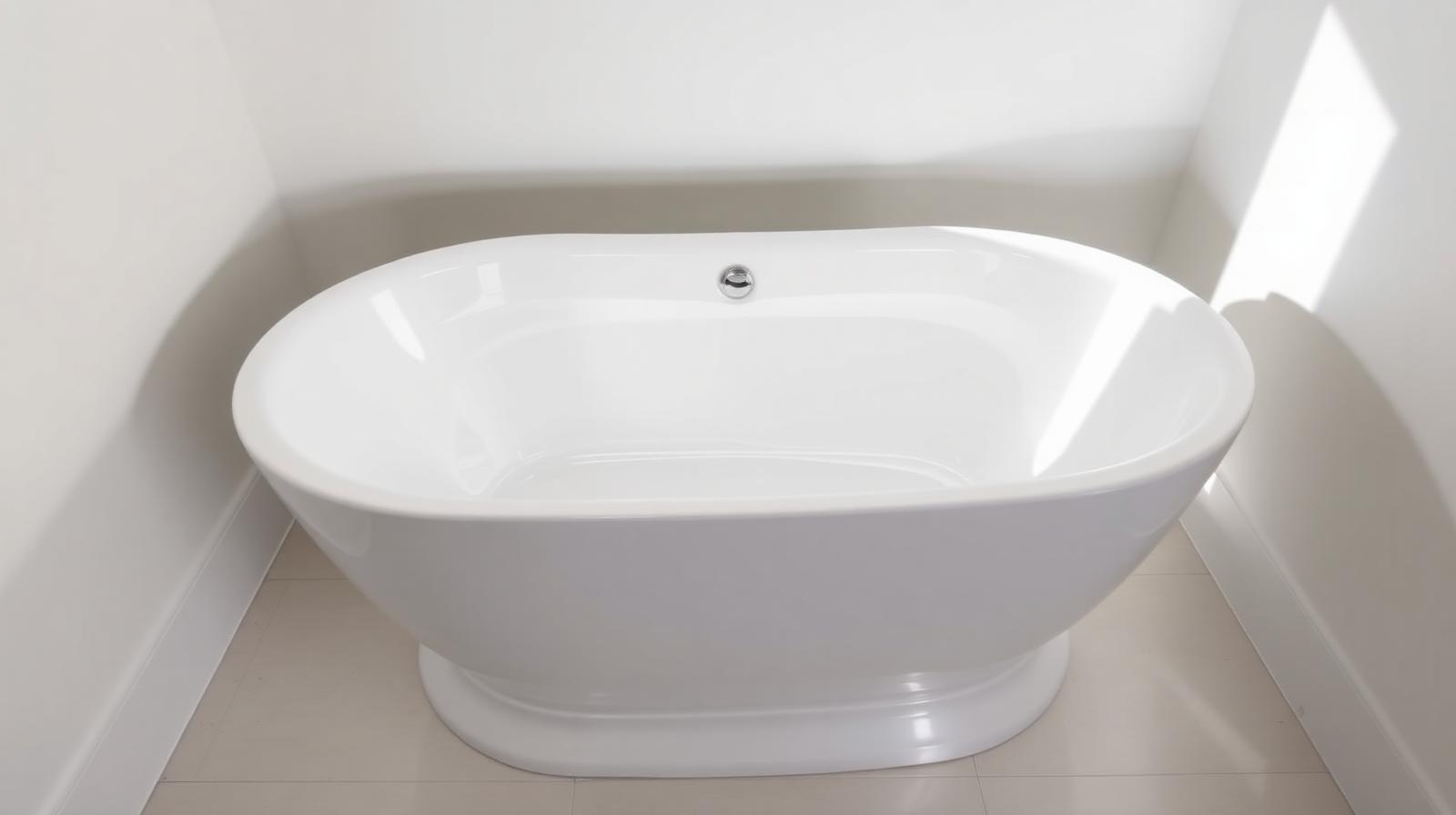
  • Baths, trays and sanitaryware where a coating is the appropriate solution
  • Colour and sheen changes on suitable finishes

Damage

Typical damage we see

  • Wear and scuffing spread across a whole door or panel
  • Multiple marks that would look patchy if repaired individually
  • Faded, yellowed or discoloured finishes
  • Dated colours in kitchens, offices and hospitality interiors
  • Coatings that have chipped or worn back in high-traffic areas
  • Mismatched replacement items that need to match the existing scheme

How it works

Our repair process

  1. 01

    Assessment

    Photographs and details of the surface, its finish and how it is used are reviewed. We check whether preparation, adhesion, coating choice and colour are all achievable before recommending respraying.

  2. 02

    Preparation

    The area is masked, protected and ventilated appropriately, ironmongery is removed or protected, and the surface is cleaned, degreased and keyed so the coating can adhere.

  3. 03

    Repair

    Chips, dents and damaged edges are made good first, because a coating follows the shape of whatever is beneath it.

  4. 04

    Finish

    The coating is applied in controlled layers to the agreed colour and sheen, aiming for an even, consistent finish across the whole element.

  5. 05

    Inspection

    The finished work is reviewed with you in daylight, the area is left clean, and we explain curing time and aftercare before the surface returns to normal use.

Where we work

Settings we support

Homes & properties

  • Kitchens and fitted furniture being refreshed rather than replaced
  • Doors, frames and panelling throughout a home
  • Properties being prepared for sale or reletting

Commercial premises

  • Hotel bedroom furniture, doors and corridors
  • Offices, receptions and meeting rooms
  • Retail and hospitality interiors between refits

Construction & development

  • Colour changes and remedial finishing before handover
  • Making replacement items match existing finishes
  • Fit-out and shopfitting programmes

Honest advice

Suitability and limitations

Every surface is assessed before work is agreed. Where a repair is not the right long-term answer, we will say so.

  • Respraying is not suitable for every surface. Some finishes will not accept a coating reliably, and we will say so rather than take the risk.
  • Surfaces that are damp, greasy, flexing, delaminating or water-damaged must be resolved first; a coating will not fix them.
  • Heavily used horizontal surfaces and wet areas place more demand on any coating, and we will discuss realistic expectations for the setting.
  • Coated finishes need appropriate aftercare and cleaning; abrasive products will damage them.
  • Colour and sheen are matched as closely as materials allow, and we make no claim of a factory-identical result.

Questions

Frequently asked questions

Can you change the colour of my kitchen cabinets or doors?

Where the surface is suitable and can be properly prepared, a colour change by respraying is often possible. Suitability, adhesion and the target colour are all assessed before we recommend it.

What decides whether a surface can be resprayed?

Four things: whether it can be prepared properly, whether the coating will adhere, whether the coating suits how the surface is used, and whether the colour and sheen can be achieved.

Is respraying better than a localised repair?

It depends on the damage. Isolated chips and scratches usually suit a localised repair, while wear spread across a whole door or panel is better refinished so the result looks consistent.

How long before a resprayed surface can be used?

Curing time depends on the coating, the surface and conditions on site. We confirm it during the work and explain aftercare rather than quoting a figure in advance.

Coverage

Where we cover

We are based in Bolton and work across Greater Manchester and the North West, with wider coverage available for commercial work.

Office enquiries are answered Monday to Friday, 9:00am–3:00pm.

Surface Magic Repairs

Why Replace When You Can Repair?

Send photographs of the damage and we will advise on the most sensible route — repair where it is suitable, honest guidance where it is not.

Accreditations & Compliance

Supporting documentation and current scheme details are available on request for commercial clients and main contractors.

View accreditations & compliance
  • ISO 9001
  • CHAS Premier
  • SMAS Worksafe
  • SafeContractor Approved